
Waterfalls, Lake Banquela, Dr Livingstone memorial, Lake Tanganyika and Hot springs
12 Day Safari
Day 1 – 12:
Group meet and greet in Kasane in Botswana.
Cross border into Zambia and visit:
- Livingstone
- Lusaka
- Kapiri Mposhi
- Dr Livingstone’s Memorial
- Lake Banquela
- Ntumbasushi Falls
- Lumangwe Falls
- Lake Tanganyika
- Kalambo Falls
- Kapishya Hot Springs
Livingstone, also known as Maramba, is the vibrant capital of Zambia’s Southern Province. Situated just 10 km (6.2 mi) north of the Zambezi River, it serves as a prominent tourism hub for the majestic Victoria Falls. As a border town, Livingstone offers convenient road and rail connections to Zimbabwe, which lies on the other side of the falls. This historic city, once a British colonial stronghold, had an estimated population of 136,897 residents as of the 2010 census. Its name pays tribute to David Livingstone, the intrepid British explorer who was the first European to venture into this remarkable region.
Lusaka, the capital and largest city of Zambia, is a rapidly developing urban center in Southern Africa. Nestled in the southern part of the central plateau, Lusaka sits at an elevation of approximately 1,300 meters (4,265 feet). With a population of around 1.7 million people as of 2010, it stands as a bustling hub of commerce and government. Lusaka serves as the vital nexus of Zambia’s four main highways, connecting the city to all corners of the country—north, south, east, and west. While English is the official language, Nyanja and Bemba are also widely spoken among the city’s inhabitants.
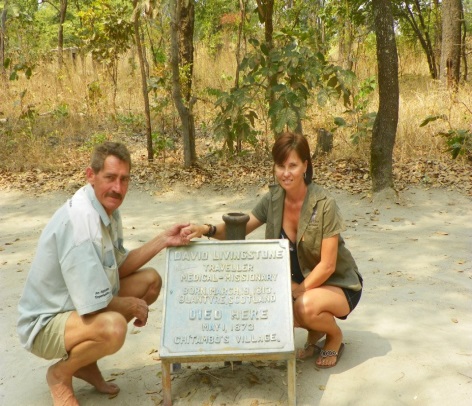
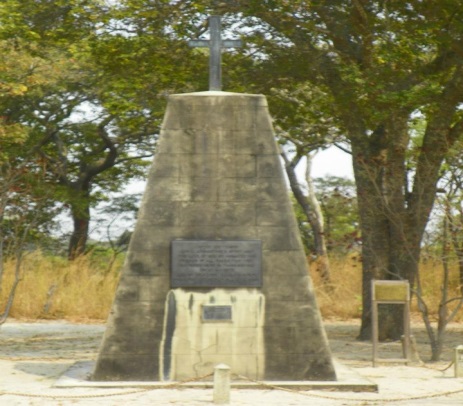
The Livingstone Memorial, erected in 1902, stands as a poignant landmark commemorating the place where renowned missionary explorer David Livingstone passed away. He breathed his last on either May 1 or May 4, 1873, in Chief Chitambo’s village near the edge of the Bangweulu Swamps in Zambia. In accordance with his wishes, Livingstone’s heart was interred beneath an ancient mpundu tree (also known as mvula) by his loyal attendants—Chuma, Suza Mniasere, and Vchopere—before they embarked on their journey to the coast, carrying his body. Among their party was an educated African named Jacob Wainwright, who etched the inscription “LIVINGSTONE MAY 4 1873” and the names of the attendants onto the tree, preserving the memory of the great explorer’s final resting place.
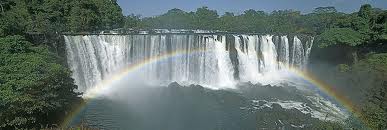
Lumangwe Falls is like a miniature Victoria Falls except this one is no slouch in its own right. It appeared to be roughly 20-30m tall and spanning a width of over 50m. But it had that wide rectangular shape that made this one of the more memorable waterfalls we saw in the remote Northern Zambia.
Lake Tanganyika, an African Great Lake, stands as a remarkable natural wonder. It is renowned for its immense size, being estimated as the second largest freshwater lake in the world by volume and the second deepest, surpassed only by Siberia’s Lake Baikal. Additionally, it holds the distinction of being the longest freshwater lake on Earth. This majestic lake spans across four countries, namely Tanzania, the Democratic Republic of the Congo, Burundi, and Zambia. Tanzania and the DRC claim the majority of the lake, with Tanzania holding 46% and the DRC possessing 40%. The water from Lake Tanganyika flows into the Congo River system, ultimately finding its way into the vast expanse of the Atlantic Ocean.
In the vicinity of Lake Tanganyika’s southeast end, near the border between Tanzania and Zambia, lies the awe-inspiring Kalambo Falls. These falls showcase a magnificent single drop of 772 feet (235 meters) along the Kalambo River. They rank among the tallest uninterrupted waterfalls in Africa, standing in the esteemed company of South Africa’s Tugela Falls, Ethiopia’s Jin Bahir Falls, and other notable cascades. Downstream from the falls, the Kalambo Gorge stretches for approximately 5 kilometers, boasting a width of about 1 kilometer and depths reaching up to 300 meters. The gorge gracefully opens up into the Lake Tanganyika rift valley, completing a breathtaking natural landscape.
Kalambo Falls 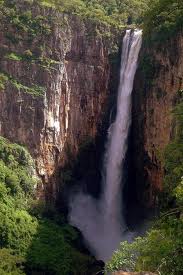
On the vast estate of Shiwa Ng’andu is Kapishya, an exquisite natural hot spring surrounded by lush tropical vegetation and tall raffia palms. The hot water bubbles out from the white sands of a crystal clear pool and flows into the Manshya River.
Hot Springs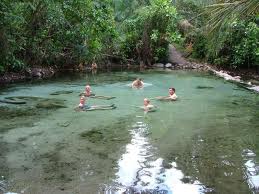
Day 13:
- Group says farewell.
- Approximately 2 days drive to reach Kasane in Botswana.
Livingstone, also known as Maramba, is the vibrant capital of Zambia’s Southern Province. Situated just 10 km (6.2 mi) north of the Zambezi River, it serves as a prominent tourism hub for the majestic Victoria Falls. As a border town, Livingstone offers convenient road and rail connections to Zimbabwe, which lies on the other side of the falls. This historic city, once a British colonial stronghold, had an estimated population of 136,897 residents as of the 2010 census. Its name pays tribute to David Livingstone, the intrepid British explorer who was the first European to venture into this remarkable region.
Lusaka, the capital and largest city of Zambia, is a rapidly developing urban center in Southern Africa. Nestled in the southern part of the central plateau, Lusaka sits at an elevation of approximately 1,300 meters (4,265 feet). With a population of around 1.7 million people as of 2010, it stands as a bustling hub of commerce and government. Lusaka serves as the vital nexus of Zambia’s four main highways, connecting the city to all corners of the country—north, south, east, and west. While English is the official language, Nyanja and Bemba are also widely spoken among the city’s inhabitants.
The Livingstone Memorial, erected in 1902, stands as a poignant landmark commemorating the place where renowned missionary explorer David Livingstone passed away. He breathed his last on either May 1 or May 4, 1873, in Chief Chitambo’s village near the edge of the Bangweulu Swamps in Zambia. In accordance with his wishes, Livingstone’s heart was interred beneath an ancient mpundu tree (also known as mvula) by his loyal attendants—Chuma, Suza Mniasere, and Vchopere—before they embarked on their journey to the coast, carrying his body. Among their party was an educated African named Jacob Wainwright, who etched the inscription “LIVINGSTONE MAY 4 1873” and the names of the attendants onto the tree, preserving the memory of the great explorer’s final resting place.
Price includes:
- Guide fees (vehicle and fuel).
- All bookings and arrangements.
- All camp and park fees.
- Extra recovery equipment.
Price excludes:
- Own vehicle, fuel and camping equipment.
- All food and drinks.
- Medical evacuation and travel insurance.
- Cross border charges.
- Anything else not mentioned above.
Safaris are based on minimum 4 vehicles / 8 people and maximum 6 vehicles
Email us at touchthewild@gmail.com for trip bookings and detailed information about our trips.
Booking in advance will avoid disappointment!